










Healthcare facilities can be confusing if you’re not sure where to go for what. Understanding the basic differences saves time and stress.
Clinics are usually...
When your primary doctor refers you to a specialist, it’s easy for details to get scattered. Keeping things organised ensures you don’t repeat tests...
Online consultations are convenient, especially for follow-ups, mild illnesses or when travel is difficult. To get the most value from them, a little preparation...
Home devices like glucometers and blood pressure monitors are valuable tools for managing health conditions, but they need proper care to stay accurate.
Keep devices...
Iron supplements are often prescribed for anaemia or low iron stores, especially in women, children and some chronic conditions. They can be very effective...
Some blood tests require fasting to give accurate results, especially those measuring sugar and certain fats. Typically, this means no food or calorie-containing drinks...
Seasonal allergies can turn lovely weather into a sneezing, itchy-eyed battle. Pollen, dust and other triggers cause the immune system to overreact, leading to...
Shift work – nights, rotating shifts, very early mornings – disrupts the body’s natural rhythms. It can affect sleep, digestion, mood and long-term health....
Modern life encourages fast eating – quick lunches at desks, rushed breakfasts, distracted dinners with screens. When you eat quickly, your body barely gets...
Rest days are important, but “rest” doesn’t always mean doing absolutely nothing. Active recovery – light movement that doesn’t strain the body – can...
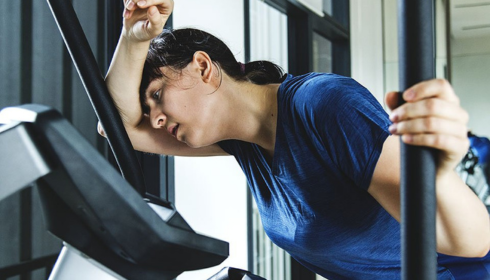
Exercise doesn’t always mean gym clothes and equipment. Many weekend family activities actually count as solid movement, even if you don’t label them “workouts.”
Playing...